Terms of Reference (2026)
Women20 (W20) is the official gender equality engagement group of the G20. It exists to ensure that women’s economic equality, safety and participation are embedded in global economic decision-making and reflected in G20 policies, commitments and outcomes.
Through formal recommendations contained in W20 Communiques, policy inputs and sustained engagement, W20 works to influence G20 leaders on the economic systems that shape labour markets, care, health, finance, climate action and digital transformation and security.
The Australian W20 Delegation is an integral part of the global W20 engagement group. It contributes Australian evidence, expertise and lived experience to W20 working groups and negotiations during each G20 host year.
The delegation advocates for gender-responsive economic reform and promotes social, economic and environmental policies that advance gender equality and women’s economic empowerment. Delegates collaborate closely with other W20 delegations in the development of the annual W20 Communiqué and related policy outputs.
Delegates are appointed through an annual open application and appointment process.
The Australian W20 Delegation operates within the global W20 Governance Framework, as approved by consensus of W20 Heads of Delegation.
The following governance documents apply to all Australian delegates:
- Annex A – W20 Code of Conduct
- Annex B – Decision Making, Quorum and Voting Procedures
- Annex C – Conflict of Interest Policy and Procedure
- Annex D – Conflict Resolution Policy and Procedure
These documents were approved during the South African Presidency in December 2025 and are binding on all W20 delegations. The Australian delegation is responsible for implementing these governance requirements at the national level and ensuring that all delegates understand and comply with them.
A maximum of nine (9) delegates are appointed to the Australian delegation, including the Head of Delegation (HOD).
Delegates are drawn from civil society organisations, academia, business, legal, policy and research sectors, and are recognised Australian advocates or experts in gender equality and related fields.
Delegates must be Australian citizens or permanent residents based in Australia and have expertise in one or more of the W20 priority areas:
– Agriculture and food security
– Care – Decent work
– Entrepreneurship
– Advancing women’s health
– Planet (earth, air and water)
– Safety and security
– Education, STEAM and digital/AI
All delegate roles are voluntary and not remunerated. Delegates may be supported by volunteer advisers and knowledge partners.
The delegation must reflect intersectional and diverse perspectives and experiences. An annual open application process is conducted to encourage participation and renewal.
Delegates are appointed for terms of one (1) to three (3) years, with up to one third of the delegation rotating annually. The Head of Delegation (and any Co‑HOD) is appointed for a minimum three (3) year term.
Decision-making within the delegation follows W20 global governance arrangements. Consensus is preferred; where consensus cannot be reached, decisions may be taken by majority vote. The HOD is responsible for ensuring inclusive, ethical and effective decision-making processes.
The HOD may invite relevant experts, knowledge partners, stakeholders or government officials to participate in specific meetings or discussions, including as ex‑officio participants.
The Australian W20 Delegation is responsible for:
– developing and agreeing Australian policy positions across W20 priority themes;
– participating actively in W20 working groups and task teams;
– contributing to drafting, negotiation and refinement of the W20 Communiqué and supporting policy documents;
– providing timely briefings and updates to the HOD and delegation members;
– engaging in advocacy and outreach across networks to support W20 priorities; and
– conducting annual review and evaluation of delegation processes and impacts.
The HOD and up to three (3) delegates may be required to travel to participate in key advocacy activities, including the W20 Summit and associated engagements.
Sponsorship or grant funding may be sought to support travel costs for up to four delegates; however, such support is not guaranteed. Additional delegates may self‑fund travel.
In addition to W20 working group meetings, the Australian delegation meets fortnightly online.
Delegates are required to:
– comply with the W20 Code of Conduct;
– declare real, potential or perceived conflicts of interest and complete annual conflict of interest declarations;
– participate in decision-making processes in accordance with W20 governance procedures; and
– engage constructively in dispute resolution processes where required.
Failure to comply with these obligations may result in mediation, suspension or removal from the delegation in accordance with W20 governance policies.
Delegates are expected to attend at least 80% of their obligations. Delegates who miss three consecutive meetings without appropriate arrangements may be removed from the delegation.
Any disputes arising within the Australian delegation or involving Australian delegates will be managed in good faith and in accordance with the W20 Conflict Resolution Policy, including internal mediation and, where required, escalation to the W20 Presidency or Troika.
Expression of Interest (EOI)
Join the W20 Australia Delegation – 2026 G20 Cycle
Women20 (W20) is the official gender equality engagement group of the G20. It exists to ensure that women’s economic equality, safety and participation are embedded in global economic decision-making and reflected in G20 policies, commitments and outcomes.
Through formal recommendations contained in W20 Communiques, policy inputs and sustained engagement, W20 works to influence G20 leaders on the economic systems that shape labour markets, care, health, finance, climate action and digital transformation and security.
The Australian W20 Delegation contributes Australian evidence‑based perspectives to global W20 working groups and negotiations. Delegates participate in substantive multilateral policy work and collaborate with peers across G20 economies throughout the year.
This is serious, consensus‑driven policy engagement that requires thoughtful, responsible and consistent contribution.
Delegates contribute on a voluntary basis to multilateral advocacy and policy work, including: – participating in international W20 working group and task team meetings (often outside Australian business hours); – contributing to drafting, negotiation and refinement of policy recommendations; – engaging in consultation and stakeholder outreach; and – representing Australian gender equality perspectives in global forums.
The 2026 W20 working groups are expected to include:
– Agriculture and food security
– Care
– Decent work
– Entrepreneurship
– Advancing women’s health
– Planet (earth, air and water)
– Safety and security and
– Education, STEAM and digital/AI
W20 Australia operates within a formal global governance framework. All delegates are required to comply with W20’s Code of Conduct, conflict of interest requirements, decision‑making procedures and dispute resolution processes. (See W20 Governance Documents)
By applying, applicants acknowledge that W20 is a values‑driven, rules‑based multilateral forum requiring professionalism, integrity, confidentiality and respectful collaboration across diverse perspectives.
Delegates can expect to gain: – access to global gender equality policy and research networks; – experience in multilateral advocacy and negotiation; – exposure to international economic governance; and – skill‑building in cross‑cultural, consensus‑based policy work.
Applications are welcome from people who bring: – advanced tertiary qualifications; and/or – 10+ years of relevant professional experience; and/or – significant lived experience or research directly connected to W20 priority areas.
Relevant expertise may include (but is not limited to): gender equality and feminist economics, labour markets, care economy, health equity, climate justice, financial inclusion, entrepreneurship, disability rights, migration, First Nations leadership, and policy or data analysis.
Selection considers collective balance and capability across the delegation, not individual merit alone.
W20 Australia is committed to building a delegation that reflects the diversity of women’s lives and experiences. Applications are strongly encouraged from First Nations women, women of colour, women with disability, migrant and refugee women, women from regional and remote communities, LGBTQIA+ people, and women with lived experience of economic exclusion or violence.
A minimum commitment of approximately 30 hours across the year is expected, noting that some roles or working groups may require higher engagement during peak periods.
Workload can be uneven and intensify around key international milestones. Most meetings occur late in the evening due to global time zones.
Participation includes compliance with W20 governance obligations, attendance expectations and conflict of interest disclosures.
International travel to participate in global dialogues or Summit gatherings may be supported or subsidised through sponsorship or institutional funding; however, this is not guaranteed. Delegates may self‑fund travel where required.
To apply, please complete your Expression of Interest (EOI) below, outlining your experience, areas of contribution and capacity to commit time across the year.
Applicants should apply with a clear understanding that appointment as a delegate requires compliance with W20 global governance documents and the Australian delegation Terms of Reference.
W20 Submit EOI
To apply, please complete this Expression of Interest (EOI) outlining your experience, areas of contribution and capacity to commit time across the year.
Applicants should apply with a clear understanding that appointment as a delegate requires compliance with W20 global governance documents and the Australian delegation Terms of Reference.
The Australian Delegation
Its primary objective is to ensure that the gender considerations are mainstreamed into G20 discussions and translate into the G20 Leaders’ Declaration as policies and commitments that foster gender equality and women’s economic empowerment. We collaborate closely with the other delegations of the W20 engagement group, to co-create the annual W20 Communique and Action Plans that are presented to the G20 Leaders, with a view of women and girls' needs being included in the annual G20 Leader's Declaration.
Australia's W20 Delegation 2024
The Australian delegation works to ensure the voices, rights and needs of the women and girls of Australia are represented at W20 / G20 level.
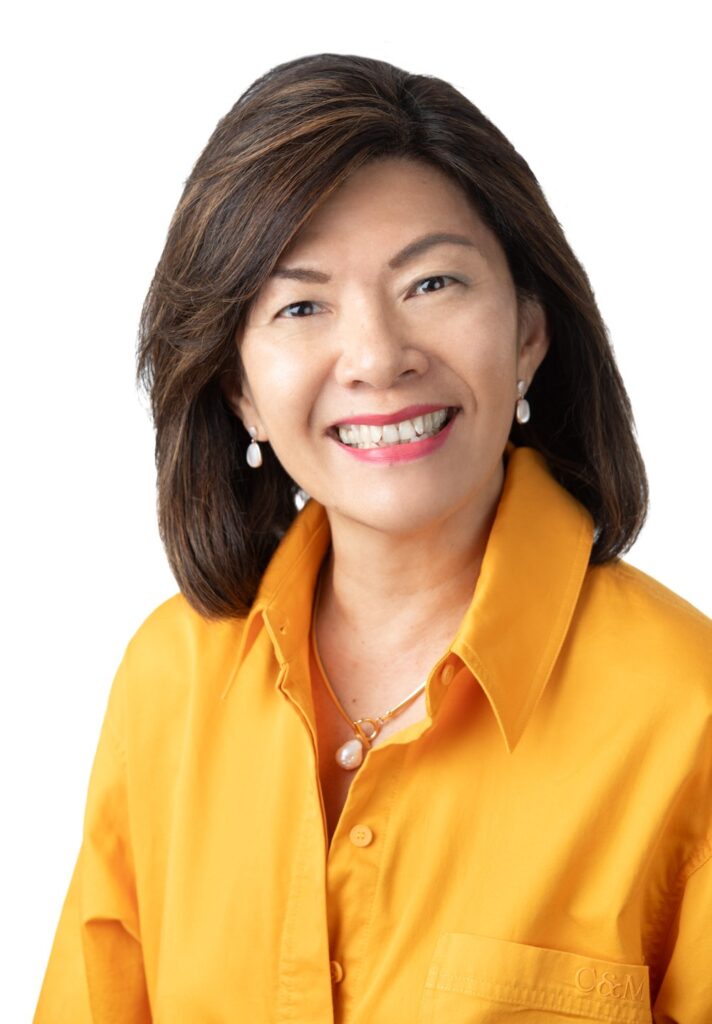
Chiou See Anderson
Head of Delegation
Chiou See is the President of the National Council of Women of Australia, board member of the International Council of Women and Head of Delegation for W20. This year, at Brazil W20, she co-chairs the Care Economy Working Group, responsible for drafting recommendations for the W20 Communique.
Chiou See was an inaugural member of the Prime Minister and Cabinet’s Women Economic Equality Taskforce in 2022-2023.
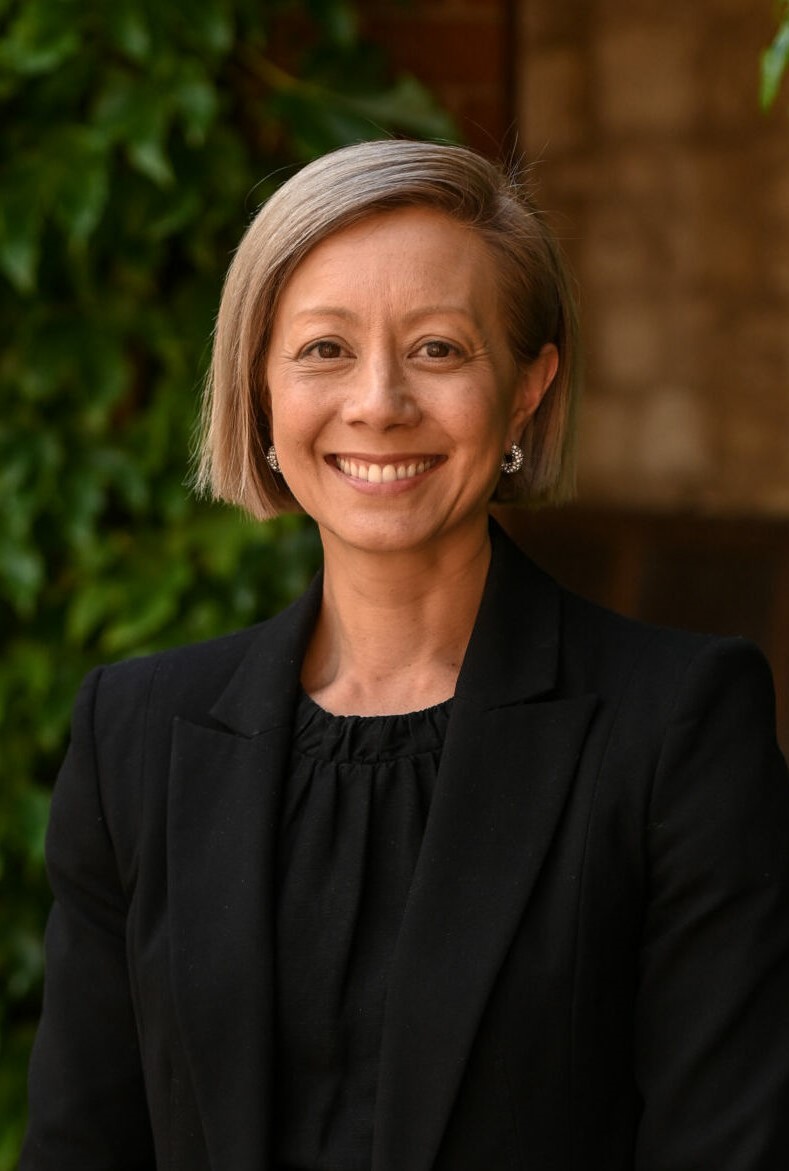
Fiona Dorman
Fiona is President of the National Council of Women of South Australia and Vice President of NCW Australia. She chairs the South Australian Premier’s Council for Women and co-founded the South Australian Women’s Fund while also holding the position of Governor at St Peter’s College.
Committed to diversity and equity, she advocates for vulnerable voices, working with grassroots organisations on gender equity, women’s rights, and social issues including homelessness and domestic violence.


Natalie Kyriacou OAM
Natalie is a Director of the Foundation for National Parks and Wildlife and CARE Australia. A recognised environmentalist, social impact leader and advisor, Natalie is also the Founder and Chair of My Green World, a UNESCO Pathfinder.
Natalie was awarded the Medal of the Order of Australia and the Forbes 30 Under 30 honour for her services to wildlife and environmental conservation in 2018 and was recognised as one of The Australian’s ‘Top Innovators’ in 2022.
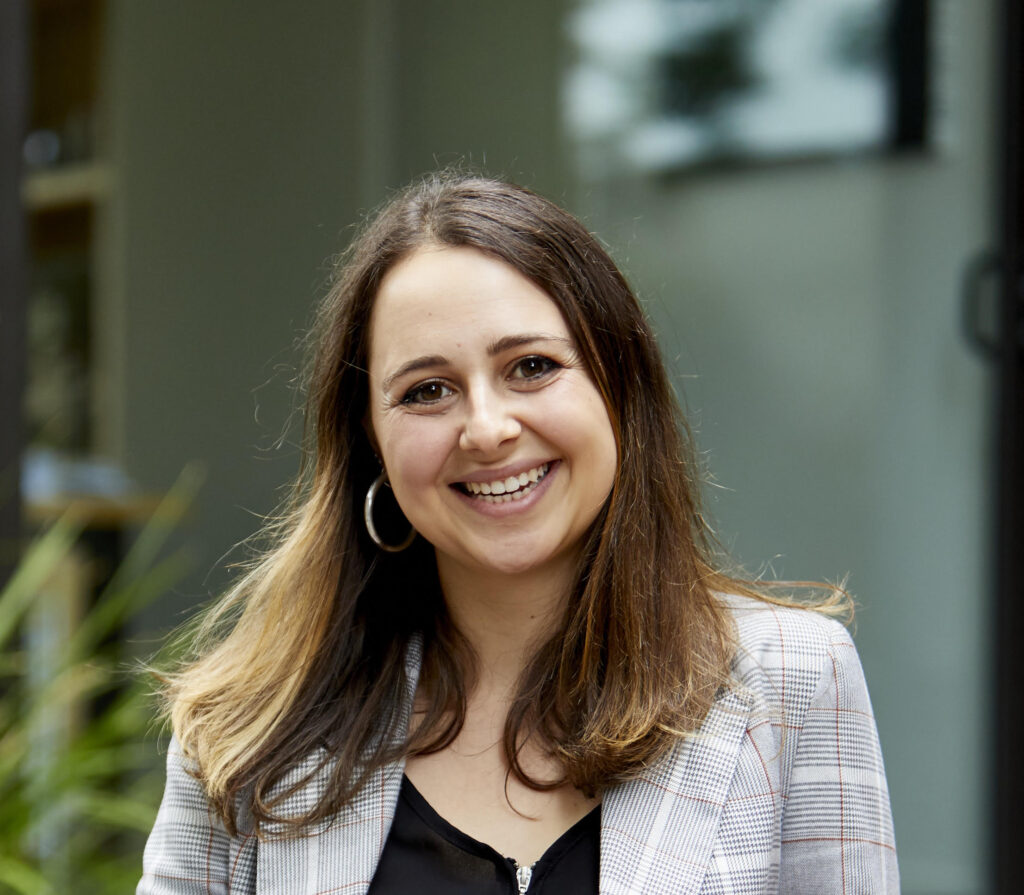
Ashleigh Streeter-Jones
Ashleigh is a recognised international thought leader in youth political participation. In 2020, Ashleigh founded Raise Our Voice Australia (ROVA), mobilising young women and gender-diverse people to transform politics and policy through education and campaigns.
Ashleigh has been recognised as a Victorian Young Australian of the Year 2024 finalist in 2024, she was the youngest-ever ACT Woman of the Year in 2018 and featured on the Forbes 30 Under 30 Asia list.

Chantelle Stratford
W20 Sherpa (ex-officio)
Chantelle served as the Head of Australia’s Office for Women, where she oversaw the introduction of key economic and social policy reforms. These included legislating pay transparency, introducing Australia’s first gender budgeting system, and securing policy reform for women in paid parental leave.
Chantelle led national policy on Women’s Safety for many years, notably steering the National Plan to Reduce Violence Against Women and their Children and securing record government investments.
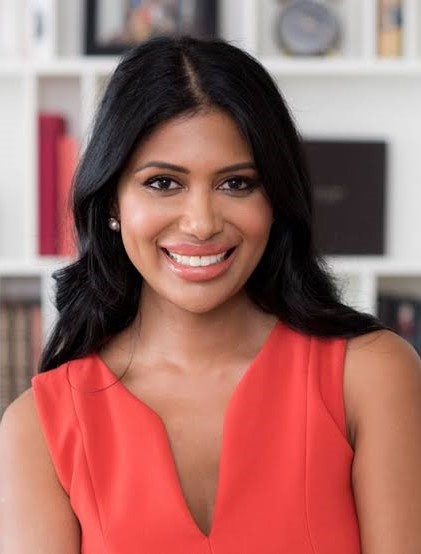
Shivani Gopal
Shivani is the Founder and CEO of ELLADEX and Co-Founder of Upstreet.
Shivani won the 2022 NSW Excellence in Womens Leadership Award and the Top 50 Small Business Leaders award. She is recognised as a leading feminist and business thought leader, helping women navigate through their careers, businesses and financial success.
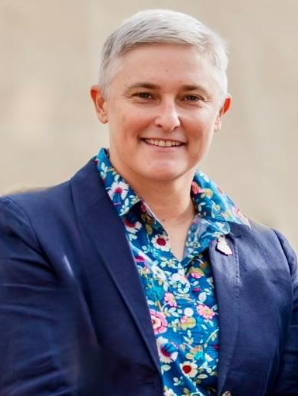
Meredith Turnbull
Meredith is a gender equality specialist who works with government agencies, service organisations, researchers, philanthropists, and individuals dedicated to addressing social, environmental, and economic challenges.
Meredith wrote the NSW Women’s Safety Commissioner’s first strategic plan, served as the Special Advisor to the Chair of the Women’s Economic Equality Taskforce and advised on reforms to enhance the Workplace Gender Equality Agency’s data collection practices.

Simone Clarke
Simone is Chief Executive Officer of UN Women Australia.
Simone has global experience in sustainable development, cross sector collaboration, partnerships, resource mobilisation, and digital transformation with UNICEF, Save the Children, Mission Australia, The Australian Football League, and Telstra Corporation, among others.

Tracey Warren
Tracey is the CEO & Founding Partner of F5 Collective, an investment firm catalysing generational change for 1 billion women across APAC.
Tracey has a background in financial markets, advisory, and strategy, bringing a wealth of experience in identifying and nurturing start-ups with high growth potential. Tracey is passionate about supporting female founders, and is dedicated to highlighting the investment opportunities in backing women-led ventures.
W20 Enquiries
For further information about W20 and the National Council of Women please contact the National office.
Email [email protected]
Post W20 NCWA Secretariat c/- 224-250 Dennis Road, Springwood, Queensland 4127, Australia
Email Enquiry
More Information
Please stay tuned. Additional 2026 W20 information will be posted here soon.